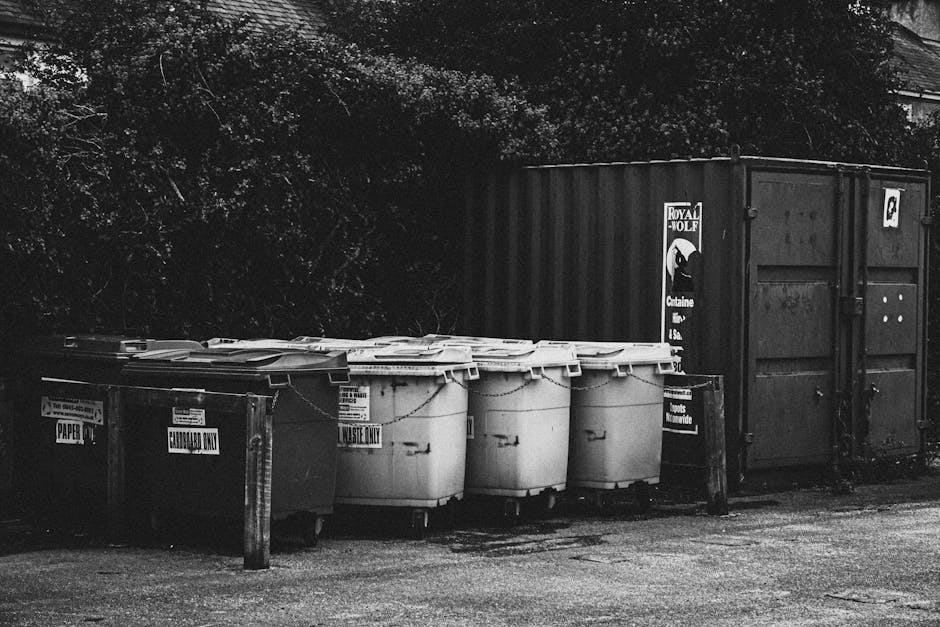
Office Clearance in Euston

Office Clearance Euston provides a focused service for clearing commercial premises, helping businesses, landlords and managing agents deal with unwanted office contents in a structured way. The work can include desks, chairs, storage units, filing furniture and general workplace items that need removing without creating avoidable disruption. Our approach is centred on practical clearance planning, sensible sorting and a tidy finish, so the space is ready for the next stage once the removal work is complete.
Commercial clearances vary widely, which is why it helps to separate what needs removing from what should stay. An office may contain furniture, archived paperwork, appliances, displays and mixed waste, all of which need different handling. We can support clearances where the priority is to empty a room, reduce clutter, or remove surplus items during a move, refurbishment or reconfiguration. The aim is simple: make the process manageable and keep the work aligned with the property, the contents and the timetable.
For a clearer view of the available service options, you can start with a brief enquiry and then request a quotation once the main items are known. If you are comparing timings, the pricing and quotes page is a useful place to look before sending details through. Give us a short outline of the contents and access conditions, and we can respond with a practical next step.
What an office clearance can involve
Office clearance is rarely just a matter of moving a few pieces of furniture. Workspaces often contain a mix of usable items, worn-out fixtures, recyclable materials and general rubbish, and each category may need a different approach. We can help remove standard office furniture, reception items, shelving, meeting room contents and other loose fixtures that are no longer required. Where items are stacked in storage areas or spread across multiple rooms, an orderly sequence helps the job progress without confusion.
Some clearances are driven by occupancy changes, while others happen because equipment is being replaced or a layout is being redesigned. In either case, the practical question is which items are to be retained, which are to be removed for reuse or recycling, and which are to be disposed of responsibly. That decision-making stage matters because it can affect sorting, loading and the amount of handling needed on site. The service is built around those distinctions rather than treating every object in the same way.
Where a business is planning a broader tidy-up, the business waste removal page may also help as a related option for ongoing commercial waste needs. For one-off jobs, the main task is still to clear the selected office contents efficiently and with the least unnecessary movement. A sensible plan before the clearance begins can save time once work starts, especially where access is limited or rooms are partly occupied.
Furniture, fittings and workplace equipment

Office furniture is often the largest part of a clearance, and it usually sets the pace for the rest of the job. Desks, pedestals, conference tables, storage cabinets and office seating all require different handling depending on size and condition. Some items may be suitable for reuse, while others are best removed as waste. A careful clearance keeps usable pieces separate from items that are damaged, outdated or simply no longer needed.
Workplace equipment can be more varied than it first appears. Items may include screen stands, compact shelving, partition panels, noticeboards, small appliances and boxed supplies that have accumulated over time. In some premises, there may also be specialised rooms or back-office areas with mixed contents. We can help remove this kind of material in a way that keeps the space usable during the clearance and avoids turning a straightforward job into a chaotic one.
If you are dealing with a smaller set of furnishings, the furniture clearance page gives a direct route to that service, while the furniture disposal page is relevant where the main concern is getting unwanted items taken away. Both can sit alongside an office clearance when only certain objects need to leave the building. The key is to match the service to the contents so the quotation reflects the actual work involved.
Files, archives and mixed office contents
Many office clearances involve more than visible furniture. Stored documents, archive boxes, stationery, display materials and obsolete files can all take up valuable room, and they often need sorting before anything is moved. If you are clearing a workplace that has been used for a long period, the contents may include layers of older material hidden in cupboards, under desks or in storage rooms. A methodical approach is useful because it avoids removing items that should remain in place.
Commercial premises often contain mixed contents in the same area, especially where storage and working space overlap. That means the clearance may need to account for general waste, file storage, detachable office fixtures and a few items of furniture all in one visit. A structured removal plan makes it easier to deal with those combinations without losing track of what belongs to the business and what is ready to leave. It also makes the final space easier to inspect once the work is complete.
Where rooms include heavy or awkward items beyond standard office furniture, it can help to see whether the job also overlaps with the flat clearance or home clearance style of mixed-item removal, though the office page remains the right place for commercial premises. Clear identification of the contents before the job starts is always useful, especially when the clearance includes both storage material and furniture.
How we handle access, timing and site conditions
Office clearance often depends as much on access as on the amount of material being removed. Narrow corridors, lifts, shared entrances, loading restrictions and occupied neighbouring units can all influence how the work is organised. We can plan the clearance around the property’s layout so that items are taken out in a sensible order. This helps avoid congestion, unnecessary backtracking and avoidable handling, especially where larger furniture needs to be moved through tight routes.
It is also useful to think about timing in relation to business activity, building management rules and the condition of the premises. Some clearances are best carried out when the office is empty, while others are better handled room by room so essential operations can continue elsewhere. If you are preparing for refurbishment, relocation or lease end, a clear timeline can help the clearance fit around the next step rather than complicate it. Good access information makes quotations more useful and helps the work run more smoothly.
As a practical next step, the contact us page is the place to request a quotation once you know the broad scope of the job. A short written summary of the rooms, contents and any access limitations is often enough to begin. If you are still comparing service details, keep the main items in mind first and then decide how best to structure the request.
Clearance for moves, refurbishments and end-of-lease work
Office clearance is commonly needed when a business is moving, adapting its layout or returning a property to the landlord. In those situations, the work may involve full-room clearances, the removal of remaining fixtures, or the stripping out of items that are no longer part of the new set-up. A well-planned clearance can help reduce the amount left behind at the point when other contractors, surveyors or building teams need access.
Some projects are straightforward because the office has already been emptied of usable contents. Others are more complex and include a combination of furniture, old equipment, storage material and miscellaneous items that have built up across several departments. The service can be adjusted to suit either kind of job. What matters is that the clearance matches the current condition of the premises and does not assume that every workspace has the same layout or volume of contents.
For connected domestic or property-based clearances, the house clearance and home clearance pages are separate options, while this page remains focused on commercial office work. If you are coordinating a wider building project, it can be helpful to decide early which items are staying, which are being recycled and which need removal as waste. That clarity helps keep the process organised from the outset.
Recycling, disposal and responsible sorting
Responsible office clearance depends on sorting as well as lifting. Not everything removed from a workplace is treated the same way, and a careful service will distinguish between reusable items, recyclable materials and general waste. Furniture in reasonable condition may be separated from damaged pieces, while paper-based materials and mixed waste require different handling again. The best outcome is not only a cleared room but a process that gives each item an appropriate route.
Businesses often want a clean handover but do not always want every item handled in the same way. Some things may have value for reuse, others may need to be broken down for removal, and some may simply be ready for disposal because they are beyond practical use. That is why office clearance is best treated as a sorting and removal service rather than a single undifferentiated task. It gives the work more structure and helps avoid unnecessary loss of usable material.
Where sustainability is a concern, our recycling and sustainability page explains the wider approach to sorting and resource use. The service itself still remains centred on the practical clearance of office contents. When you request a quotation, it helps to say whether the job includes mixed materials, archive items or a higher proportion of furniture, because those details can affect how the work is organised.
About Euston

Euston is an area of central London closely associated with major transport links, civic institutions and a long history of change around the railway age. The name is most widely linked to Euston station, first opened in 1837 as the London terminus of the London and Birmingham Railway, making it one of the earliest mainline railway stations in the capital. The station and its surroundings have been reshaped many times since then, yet the area remains strongly identified with movement, connectivity and redevelopment. To the west and south lie parts of Somers Town and St Pancras, while the broader district sits within the City of Westminster and the London Borough of Camden boundary area, giving it a character shaped by adjoining neighbourhoods rather than by a single self-contained centre. Historic estates, institutional buildings and modern infrastructure sit side by side. Nearby landmarks include University College London’s main campus, the British Library a little to the east in King’s Cross, and the network of hospitals and education buildings that have long made the district busy during the day. The streets around Euston also reflect the geography of central London more widely, with a dense street pattern, substantial rail infrastructure and a mix of older terraces, post-war rebuilding and current redevelopment projects. The area’s open spaces are limited but significant: Regent’s Park is to the west and larger routes such as Euston Road act as major movement corridors linking several parts of the capital. As a place, Euston is best understood through its layers of transport, learning, healthcare and urban change rather than through a single historic quarter.
Preparing an office clearance request
When you ask for a quotation, the most helpful details are usually the type of premises, the rooms involved and a fair description of the contents. A short inventory is often enough to show whether the job is mainly furniture, mainly archives or a broader mixed clearance. It also helps to mention anything that affects handling, such as stair-only access, shared entrances or restrictions on parking or loading. These are practical points, not obstacles; they simply allow the work to be planned properly.
Photographs can be useful if you already have them, especially where items are stacked, the layout is irregular or the amount of content is difficult to describe in text. They are not the only way to begin, but they can make it easier to judge the scale of the task and identify anything bulky or awkward. If several rooms are involved, it can be helpful to note which spaces need clearing first and whether any contents must remain in place. That keeps the request focused and avoids confusion later.
For a straightforward next step, send a clear outline and ask for a quotation. You can also review the about us page if you want a little more context about the business before making contact. Keep the request simple, include the basic facts and let the scope of the clearance guide the response.
Office clearance for different room types
Not every office clearance is focused on open-plan desks alone. Many premises include meeting rooms, private offices, storage rooms, reception areas, staff kitchens and print spaces, each with a slightly different mix of items. A reception area might include seating and display furniture, while a storage room could hold archive boxes, spare fittings and miscellaneous consumables. Treating each room according to its contents makes the overall clearance more orderly and avoids unnecessary handling.
Some spaces contain fixed or semi-fixed items that need more care than standard loose furniture. Partition panels, wall-mounted storage, shelving units and workstations may require dismantling or staged removal depending on how they have been installed. The right method depends on the item, the access available and the condition of the premises. A room-by-room approach can be especially useful when only part of the office is being cleared and some areas still need to function during the process.
If the job is primarily about clearing a workroom, storage area or back office, the loft clearance and garage clearance pages show how we handle contained spaces with mixed items. They are different settings, of course, but the same principle applies: identify what is present, decide what is leaving and keep the removal route straightforward. That same clarity helps office work proceed without avoidable delays.
Choosing the right scope for your office clearance
It is worth deciding early whether you need a partial clearance, a room-by-room clean-out or a full office emptying. A partial job may be enough when only surplus desks, outdated furniture or stored items need removing. A broader clearance makes more sense where the premises are being handed back, refitted or substantially reorganised. The service can be adjusted to match either approach, but a clear scope makes the quotation more accurate and the work easier to plan.
Where office contents overlap with other waste streams, it can help to identify those items separately before the clearance begins. Some jobs include a few pieces of business equipment, while others include mostly furniture with little else. The more distinct the contents are when described, the easier it is to choose the right service structure. If you are unsure where the boundary lies between clearance and disposal, the safest approach is to describe the items plainly and let the quotation reflect the actual mix.
To move forward, ask for a quotation using the contact us page and include the basics in one message. If helpful, you can also note whether the work needs to happen before a lease end, before a refurbishment or as part of a wider office move. That gives the request a practical shape without making it complicated, and it leaves the next step clear.