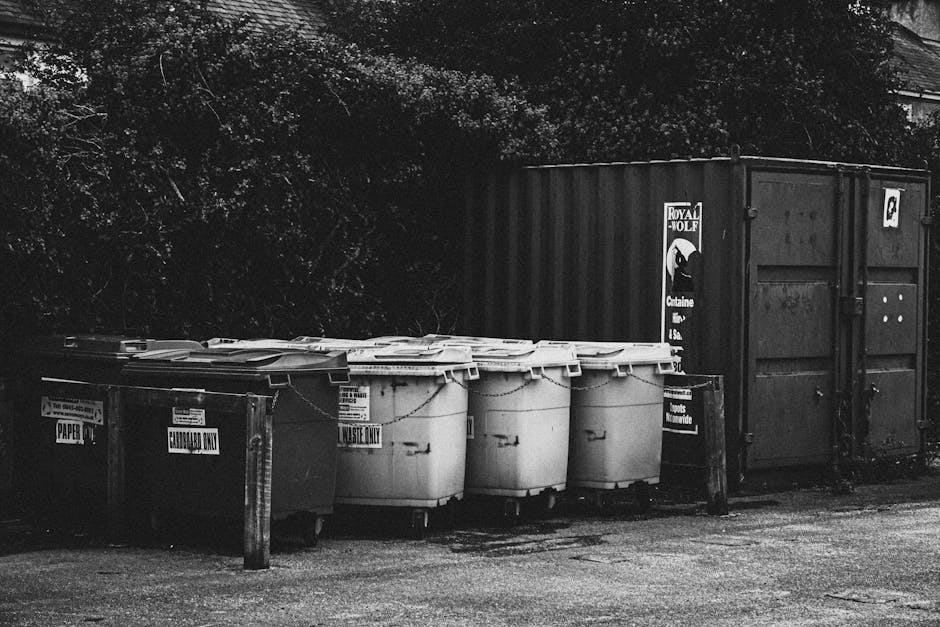
Blocked communal bins on NW1 estates: getting council action
Blocked communal bins on NW1 estates can turn a normal morning into a bit of a mess, fast. One overflow leads to another, bags start piling beside the stores, and before long you've got smells, pests, frustrated residents, and a bin area that nobody wants to walk past. If you live on, manage, or maintain a Camden estate in NW1, getting council action is usually less about dramatic complaints and more about clear evidence, the right reporting route, and persistent follow-up. The good news? There is a sensible way to handle it.
This guide explains what blocked communal bins are, why they matter, how council action usually works in practice, and what you can do to get a faster, cleaner outcome. You'll also find a step-by-step approach, a realistic checklist, and a few common mistakes to avoid. Nothing fancy. Just useful, grounded advice that helps you get the issue moving.
If you are also dealing with wider estate maintenance issues, it may help to look at related services like communal gardens maintenance or grounds maintenance, because bin access problems often sit alongside poor outside-space upkeep. And if the problem is part of a bigger housing issue, pages such as property maintenance and landscape design can be useful context for estate teams thinking about layout and access.
Table of Contents
- Why blocked communal bins on NW1 estates matter
- How getting council action works
- Key benefits and practical advantages
- Who this is for and when it makes sense
- Step-by-step guidance
- Expert tips for better results
- Common mistakes to avoid
- Tools, resources and recommendations
- Law, compliance, standards and best practice
- Options, methods and comparison table
- Case study or real-world example
- Practical checklist
- Conclusion
- Frequently asked questions
Why Blocked communal bins on NW1 estates: getting council action Matters
A blocked communal bin system is not just an inconvenience. On a busy NW1 estate, it can affect hygiene, access, resident goodwill, and even how the whole site feels day to day. When bin stores are jammed shut, the problem spreads quickly. People leave waste outside the store. Bags get torn. Lids won't close. Cans and food waste attract pests. And the area starts to look neglected, even if the issue began with one stubborn obstruction or a missed collection.
To be fair, residents often assume the council will spot the problem and sort it. Sometimes that happens. But in real life, action usually moves faster when the issue is reported clearly, with dates, photos, and the right location details. That is especially true across NW1, where estate layouts vary a lot. One site might have rear-service bin compounds, another shared access lanes, and another a cramped enclosure tucked beside a block. Small differences matter.
There is also a wider estate-management angle. If the bin area is blocked because access routes are overgrown, poorly surfaced, or cluttered with misplaced items, the council may treat it differently from a simple missed uplift. That is one reason estate teams often coordinate bin access with broader exterior works such as hard landscaping and soft landscaping. A clean route to the bins sounds obvious, but it is amazing how often it gets overlooked.
Practical takeaway: if the bins are blocked, the fastest route to council action is usually evidence, clarity, and follow-up. Not shouting into the void. Not guessing. Just a neat, factual report that makes it easy for someone to act.
How Blocked communal bins on NW1 estates: getting council action Works
In most NW1 estate situations, "getting council action" means making the issue visible to the right team and making it easy to verify. The process can be simple on paper, though a little frustrating in practice, especially if several parties are involved. Residents, managing agents, landlords, caretakers, housing officers, and waste teams may all have a role.
Here's the usual pattern. Someone notices the blockage. It might be a jammed bin lid, a locked or obstructed store, a collection crew unable to reach the bins, or overflow caused by missed emptying. The person responsible then reports it, usually through the council's normal waste or estates route. The report should include what is blocked, where it is, how long it has been an issue, and whether there is an immediate health or access concern. If the issue is recurring, that matters too.
Then comes the follow-up. Sometimes the council can resolve it quickly. Sometimes they need to inspect first. Sometimes the matter is pushed back to estate management if the obstruction sits on private or managed land rather than a public road. That's the bit that catches people out. A resident sees "council bins" and assumes the council owns every part of the process. Often, it's shared responsibility. Annoying, yes. But useful to understand.
If the issue is linked to poor grounds access, loose debris, poorly maintained boundaries, or the bin store being hard to reach for collection vehicles, you may need a broader maintenance response. Estate teams often bring in support such as estate services or grounds maintenance in London to keep access routes clear and avoid repeat blockages. Prevention really does save time later.
One small but important point: councils and housing teams respond better when the report explains the knock-on effect. "Bins are blocked" is useful. "Bins are blocked, bags are now left beside the store, and the passage smells strongly after two days in warm weather" is better. It paints the picture. Humans respond to pictures, not just labels. Strange but true.
Key Benefits and Practical Advantages
Getting a blocked communal bin issue resolved properly is about more than tidiness. The practical benefits add up quickly, especially on dense NW1 estates where people live close together and shared spaces take a beating.
- Cleaner shared spaces: Waste that stays inside the system is easier to manage than waste dumped beside a bin store.
- Fewer pests and odours: Overflow and food waste encourage flies, rats, and general nuisance.
- Better resident relations: Nothing starts arguments faster than one block looking worse than the others.
- Clearer responsibility: A good report helps establish whether the issue is operational, access-related, or a maintenance problem.
- Reduced repeat calls: Fixing the root cause saves everyone from re-reporting the same mess next week.
- Safer access: Residents, visitors, and contractors can use the area without stepping around waste or blocked routes.
There is also a subtle reputational benefit. A bin compound that is looked after sends a message that the estate is managed, not simply endured. That matters more than people think. It changes how residents behave too. If the space looks cared for, people are usually less likely to treat it like a dumping ground. Not always, granted. But often enough to notice.
And if you manage multiple outside areas, fixing the bin route can lift the whole site. A tidy approach to access and surrounding landscaping supports other work too, which is why some teams review bin compounds alongside soft landscaping and hard landscaping. The result is not just cosmetic. It makes daily operations smoother.
Who This Is For and When It Makes Sense
This matters to a few different people, and each has a slightly different angle.
- Residents: If your block's communal bins are consistently blocked, overflowing, or inaccessible, you need a route to get the issue logged and followed up.
- Residents' associations: If the problem affects multiple households, it helps to coordinate evidence and submit a clearer complaint.
- Managing agents and landlords: You may need to show you acted promptly, especially if residents are complaining repeatedly.
- Housing officers and estate managers: You need practical fixes that reduce repeat incidents rather than temporary tidy-ups.
- Contractors and caretakers: You need access, a defined responsibility split, and enough information to attend the right area the first time.
This is most relevant when the issue is recurring, affects several homes, or causes knock-on problems such as smell, litter, pests, or refusal of collection. It also makes sense if the bin store is physically blocked by something outside the bins themselves: vegetation, fly-tipped waste, broken gates, poor signage, or badly placed items that prevent collection crews from reaching the bay.
Not every bin issue needs escalation. Sometimes a simple missed bag removal or a one-off obstruction can be solved with a quick report and a photo. But if you've already asked twice, and the same problem keeps returning, that is the point where a more structured approach pays off. Honestly, that's where most people should start anyway.
Step-by-Step Guidance
If you want council action to happen faster, keep the process simple and disciplined. Think like a record keeper for a minute. Not glamorous, but effective.
- Identify the exact blockage. Is it a bin that can't be moved, a store entrance blocked by waste, access blocked by vehicles or fencing, or a collection problem caused by overfilling?
- Take clear photos. Get one close shot and one wider shot that shows where the bin store sits on the estate. Early morning light often works best; it shows the full problem without shadows hiding the mess.
- Note the date, time, and duration. "Blocked since Tuesday morning" is much more useful than "been like this a while."
- Check whether it is repeat behaviour. If the same bay blocks every fortnight, say so. Patterns matter.
- Report through the correct route. If the bins are on an estate, use the relevant housing, estate, or waste reporting route rather than assuming a general street-cleansing team will pick it up.
- Describe the impact. Mention overflow, smell, pest risk, access problems, or health and safety concerns if present.
- Keep the report factual and calm. This sounds obvious, but a tidy report usually gets handled better than a long emotional one, however justified the frustration may be.
- Follow up if nothing changes. If you have no response, resubmit with your reference number and updated photos. Escalation is normal, not rude.
- Escalate to the estate or housing team if needed. If it is private or managed land, the council may direct the issue elsewhere, and that is a clue, not a dead end.
- Record the outcome. If the route worked, keep a note of what worked so future reports are quicker. Useful later, when memory gets fuzzy.
A helpful trick: write the report as if the reader has never seen the site. Because they probably haven't. Include the building name, nearest entry point, estate side, and any access details that matter. "Bin store behind Block C, next to the service path" is far better than "the bin thing near my flat."
If the council asks for maintenance support, it may be because the issue has wider site-management causes. In those cases, a broader review of estate upkeep can help, including property maintenance and grounds maintenance, especially where poor access or neglected surroundings keep causing repeat blockages.
Expert Tips for Better Results
In our experience, the people who get the best results are not always the ones who complain the loudest. They are the ones who make it easy to say yes to the fix.
Use evidence that shows pattern, not just one bad day
A single photo can help, but repeated images over a week or two can show that the problem is systemic. That makes it harder for the issue to be brushed off as a one-off incident. If you can, photograph the same angle each time. Slightly dull, yes. Effective? Very.
Separate access problems from collection problems
If the bin is full because the collection was missed, say that. If the bin cannot be reached because the route is blocked, say that too. Mixing the two can slow things down. The council or estate team may need to send different crews depending on the cause.
Keep communication short and consistent
Different people may read your report at different stages. Keep the key facts in the same order each time: location, issue, impact, duration, and any previous reference number. It saves everyone a bit of friction.
Think about the surrounding space
Blocked communal bins often sit in a wider problem area. Uneven paving, overgrown edges, poor lighting, or badly placed storage items can make bin access worse. If the site needs a more structural tidy-up, services like landscape design can sometimes inform better layouts for bin compounds and access routes.
Escalate before the issue becomes routine
A small bin access issue can become a daily nuisance almost overnight. Don't wait until it smells awful or attracts pests before acting. The earlier you report it, the easier it is to fix. Bit of a pain, yes. Still easier than dealing with a whole week of backlog.
Common Mistakes to Avoid
A lot of delays come down to avoidable mistakes rather than the council simply ignoring people. Here are the big ones.
- Being too vague: "The bins are blocked" is a start, not a full report.
- Sending no evidence: Without photos, it can be hard to prove the scale or pattern.
- Using the wrong reporting route: An estate problem may need housing or management action, not just a generic streets complaint.
- Ignoring repeat causes: If fly-tipping, misplaced bulky waste, or access clutter keeps returning, the root cause needs attention.
- Letting frustration take over: Fair enough to be annoyed, but clarity gets results faster.
- Assuming one report is enough: Sometimes it is. Sometimes it isn't. Follow-up is part of the process.
One other mistake: fixing the immediate blockage but not the layout. If the bin store is awkwardly designed, too tight, or difficult to service, the same problem will return. That is where estate planning and maintenance decisions matter. A small operational tweak can prevent months of nonsense later. Simple as that.
Tools, Resources and Recommendations
You do not need specialist equipment to report a blocked communal bin issue, but a few practical tools make the job easier.
- Smartphone camera: For dated photos and short videos showing access issues.
- Notes app or log sheet: Keep a running record of dates, responses, and reference numbers.
- Measuring tape or rough step count: Helpful if access width or clearance is part of the issue.
- Email screenshots: Useful if you need to show you already reported the matter.
- Resident coordination: If multiple households are affected, a single shared log avoids mixed messages.
For estate teams, the most useful "resource" is often a proper maintenance schedule that includes bin store checks, clearance around access paths, and seasonal review of problem areas. During autumn, for example, leaf fall can make routes slippery or hide smaller obstructions. In winter, poor lighting can make it harder for collection teams to see what is blocking access. Little things, but they add up.
If your site needs broader upkeep alongside the bin area, it can help to review estate services as part of a wider maintenance plan. That kind of joined-up approach often prevents the bin compound becoming the estate's most annoying corner.
Law, Compliance, Standards and Best Practice
This is one of those topics where the detail can depend on who owns the land, who manages it, and how the estate is structured. So it's best to be careful and practical rather than over-precise.
In general UK practice, communal waste areas should be managed so they are reasonably accessible, safe to use, and not allowed to become a hazard or nuisance. On housing estates, responsibilities may sit with the landlord, housing provider, managing agent, or the council, depending on tenure and site arrangements. If bins are on private or managed land, the council may still play a role, but it might not be the only responsible party.
Best practice usually includes:
- clear access for collection and maintenance crews
- routine bin store inspections
- prompt removal of obstruction and fly-tipped waste
- safe routes for residents and operatives
- clear signage where useful
- regular maintenance of surrounding surfaces and vegetation
If a blocked bin area creates trip hazards, pest problems, or repeated overflow, it becomes more than a cosmetic issue. That is where residents and managers should record the problem carefully and act promptly. The exact legal route can vary, so if you are unsure who is responsible on a specific NW1 estate, it is sensible to check the tenancy, lease, estate handbook, or management agreement. Bit tedious, I know, but often decisive.
For estates that are struggling with access routes or layout constraints, a maintenance review can be more useful than repeated one-off clearances. Services such as hard landscaping may help address surfaces, access points, and barriers that keep causing blockages.
Options, Methods, and Comparison Table
There is more than one way to handle a blocked communal bin problem. The best option depends on whether you are dealing with a one-off blockage, a repeated access problem, or a broader estate design issue.
| Approach | Best for | Strengths | Limitations |
|---|---|---|---|
| Direct council report | Missed collection, overflow, or immediate nuisance | Fast, simple, creates a record | May not solve underlying access or design issues |
| Estate management escalation | Problems on managed or private estate land | Targets the party with practical control | Can be slower if responsibility is unclear |
| Resident group coordination | Recurring issues affecting multiple homes | Strengthens evidence and pressure | Needs organisation and consistency |
| Maintenance-led fix | Blocked access caused by layout, surfaces, or vegetation | Addresses root cause and repeat issues | May take longer than a simple report |
| Combined approach | Persistent or complex estate problems | Best chance of durable resolution | Requires more coordination |
For most NW1 estates, the combined approach wins. A council report alone may clear today's blockage, but a maintenance review prevents the same bin store turning into a weekly headache. That is the real prize.
Case Study or Real-World Example
Here's a realistic example, based on the sort of thing estate teams see all the time.
On a mixed-use NW1 estate, residents kept finding that the communal bin store was half blocked by bags, a broken wheelie bin, and overgrown planting near the access path. The collection crew could sometimes reach the bins, sometimes not. By midweek the store smelled unpleasant, and by Friday bags were being left beside the entrance. People assumed the council was simply not collecting often enough. That was only part of it.
The first report was too vague. It said the bins were overflowing, but it didn't show the access issue or explain that the path was narrow and partly obstructed. The second report included photos, a short timeline, and a note that the issue recurred after rainfall because one corner of the route held standing water and pushed people to leave waste outside the store. That made a difference. The estate team then looked at the access route, the damaged bin, and the surrounding planting. The council side dealt with the collection issue; the estate side dealt with the access and maintenance side. Two tracks, one problem. That's usually how it goes.
The lesson is simple: when the obstruction is tied to the site itself, a waste complaint alone may not be enough. You need the maintenance and access angle too. And no, that does not mean it has to turn into a huge project. Often it is a handful of practical fixes, done properly.
Practical Checklist
Use this checklist before and after you report the issue.
- Have you identified the exact bin store or communal bin area?
- Have you taken clear photos from more than one angle?
- Have you noted the date and time you first saw the blockage?
- Have you checked whether the problem is a missed collection, an access obstruction, or a storage issue?
- Have you included the full address, block name, and estate location?
- Have you explained the impact on residents, hygiene, or access?
- Have you sent the report through the correct route?
- Have you kept a reference number or email copy?
- Have you followed up if nothing changed?
- Have you considered whether the surrounding area also needs maintenance support?
Quick tip: if the same issue has happened more than once, start a simple incident log. It can be a note on your phone. Doesn't need to be pretty. Just consistent.
Conclusion
Blocked communal bins on NW1 estates are one of those problems that looks small from a distance and feels huge when you live next to it. The trick is to treat it as both a service issue and a site-management issue. Report it clearly, show the impact, follow up steadily, and look at the access route as well as the bins themselves. That approach gives you the best chance of getting council action that lasts, not just a quick tidy-up.
And if the same estate keeps having the same kind of trouble, don't shrug it off as normal. It usually means there is a fixable cause hiding in plain sight. A clearer route, better maintenance, a better layout, or a more disciplined reporting process can make a real difference. Sometimes that's all it takes. Honestly, sometimes it's almost embarrassingly simple once someone finally looks closely.
Get a free quote today and see how much you can save.
With the right approach, a messy bin area does not have to stay that way. A little persistence goes a long way, and a clean, usable estate is worth pushing for.
Frequently Asked Questions
Who is responsible for blocked communal bins on an NW1 estate?
Responsibility can sit with the council, a housing provider, a landlord, or a managing agent, depending on who controls the estate and the waste area. On some sites, responsibility is shared. If you are unsure, check the estate handbook, tenancy details, or management information before escalating.
How do I get council action quickly for a blocked communal bin?
Report it with clear photos, the exact location, the date and time, and a short explanation of the impact. If the issue repeats, say so. Councils and housing teams usually respond better when the report is specific and easy to verify.
What counts as a blocked communal bin?
It can mean a bin store entrance blocked by waste, a bin that cannot be moved, access prevented by parked vehicles or overgrowth, or a collection point that is obstructed so crews cannot service it properly. In practice, anything that stops normal use or collection can count.
Should I report a blocked communal bin as fly-tipping or missed collection?
Use the category that best fits the cause. If waste has been dumped beside the bins, fly-tipping or accumulation may be the right route. If collection was missed, that is a service issue. If you are unsure, describe the situation clearly and let the council route it.
What if the bin problem keeps coming back?
Recurring issues usually mean the root cause has not been fixed. That could be access, layout, poor upkeep, unclear resident behaviour, or an operational collection problem. Keep a log and escalate with evidence of the pattern.
Do I need photos to make a complaint?
Photos are not always required, but they help a lot. They show the scale of the problem, the exact location, and whether the issue is just temporary or clearly ongoing. A couple of good photos can save a lot of back-and-forth.
How long should I wait before following up?
If the blockage is causing smell, overflow, or access problems, do not wait too long. Follow up as soon as the issue should reasonably have been reviewed. If there is no response, resend the report with the original reference number and updated evidence.
Can estate maintenance help with bin blockages?
Yes. If the problem is caused or worsened by access routes, overgrown edges, poor surfaces, or site layout, maintenance can be part of the fix. In many cases, bin issues are a symptom of wider estate upkeep problems.
What details should I include in my report?
Include the exact bin store location, what is blocked, how long it has been happening, what impact it is causing, and any previous reports or reference numbers. The more specific you are, the easier it is for the right team to act.
Is a blocked communal bin a health and safety issue?
It can be, especially if it creates trip hazards, pest attraction, strong odours, or unsafe access for residents or contractors. The seriousness depends on the circumstances, but it should never be treated as a minor nuisance if the area is becoming hazardous.
What if the council says it is not their responsibility?
That can happen if the bin area is on managed or private estate land. If so, ask who does have responsibility and redirect the report to the correct party. It is frustrating, yes, but it does at least point you toward the real decision-maker.
Can residents work together to get faster action?
Yes. A coordinated report from multiple residents or a residents' association can help show that the problem is affecting more than one household. Just keep the message consistent and avoid sending conflicting versions of the same issue.